Plain-English explainers
Trezor suite app is a self-custody dashboard for earning stablecoin yield without lockups
Desktop and mobile crypto wallet app for managing self-custodied Trezor assets, with USDC and USDT yield access without lockups.
Trezor suite app is a desktop and mobile crypto wallet interface for managing assets secured by a Trezor hardware wallet, including USDC and USDT yield access without lockups, waiting periods, or blind signing. It brings portfolio viewing, sending, receiving, swaps, and stablecoin earning into one app while the private keys remain protected offline on the hardware device.
The important distinction is the pairing between software convenience and hardware confirmation. The app shows balances, builds transactions, and presents actions in readable form; the connected Trezor device protects the signing key and asks the owner to confirm sensitive steps. That design matters most when a stablecoin holder wants yield exposure but does not want to move the whole wallet workflow onto an exchange account.
Stablecoin yield lives inside the same wallet workflow
The yield feature is aimed at holders of USDC and USDT, two dollar-referenced stablecoins widely used for payments, trading liquidity, and treasury parking. In this flow, a user starts from assets already visible in the Trezor suite app, reviews the available earning option, and approves only the transaction required for the chosen position. The reference point is simple: stablecoins keep their familiar ticker and wallet context while the yield action happens from within the app.
No lockups changes the user experience. Funds are not treated like a fixed-term deposit with a calendar date that must pass before withdrawal. The owner still needs to read the transaction details and understand the provider terms shown during the flow, because yield comes from an external earning mechanism rather than from the hardware wallet itself.
Offline keys make the app different from an exchange dashboard
A Trezor hardware wallet stores private keys away from the internet. The software layer connects to the device, displays account data, and prepares transactions, but spending authority remains tied to physical confirmation. That structure gives the Trezor suite app its main security role: it is the operating surface for crypto activity, while the secret material stays inside the hardware wallet.
This arrangement is especially relevant after years of exchange failures, phishing campaigns, and malware aimed at browser wallets. A user sees a human-readable transaction request on the screen, checks the address or action on the device, and signs only after that review. The app is convenient, but the device remains the gatekeeper.
What the desktop and mobile app actually brings together
The Trezor suite app combines everyday wallet management with features that otherwise sit across separate services. It is not just a balance screen. It is where the owner checks Bitcoin and supported crypto accounts, receives funds, sends payments, follows portfolio movement, and uses integrated trade or earning tools.
- Portfolio tracking for supported coins and tokens held under Trezor-controlled keys.
- Send and receive workflows with device confirmation for outgoing transactions.
- Stablecoin yield access for USDC and USDT where available in the app.
- Swap, buy, or sell routes presented through integrated service providers.
- Recovery and account management flows designed around the hardware wallet backup.
That combination reduces the number of separate wallet windows, browser extensions, and exchange tabs involved in routine asset management. It also keeps the most sensitive part of the process, the signing key, anchored to the hardware wallet.
How a USDC or USDT holder approaches the earning flow
A stablecoin holder starts by opening the app, connecting the device, and selecting the account that contains the relevant token. The earning option presents the supported asset, the route, and the action needed to enter the position. The transaction request then moves through the same hardware confirmation model used for ordinary sends.
Once the position is active, the wallet view becomes the place to monitor it alongside the rest of the portfolio. The benefit is operational clarity: the user does not need to remember which exchange account, browser wallet, or DeFi site holds the stablecoin allocation. The Trezor suite app keeps the position visible next to the assets secured by the same hardware setup.
Blind signing is avoided by making approvals readable
Blind signing creates risk because the user approves data that is difficult to interpret. The official Trezor positioning for stablecoin yield emphasizes no blind signing, which means the flow is designed around clearer transaction review rather than opaque approval prompts. That matters for ERC-20-style assets such as USDC and USDT, where token approvals and contract interactions deserve close attention.
Readable approval does not remove market or counterparty risk from any yield product. It does improve the moment where the owner decides whether the requested transaction matches the intended action. In crypto security, that moment is critical: phishing and malicious approvals succeed when the signing step becomes routine and unread.
Where the hardware wallet still does the heavy security work
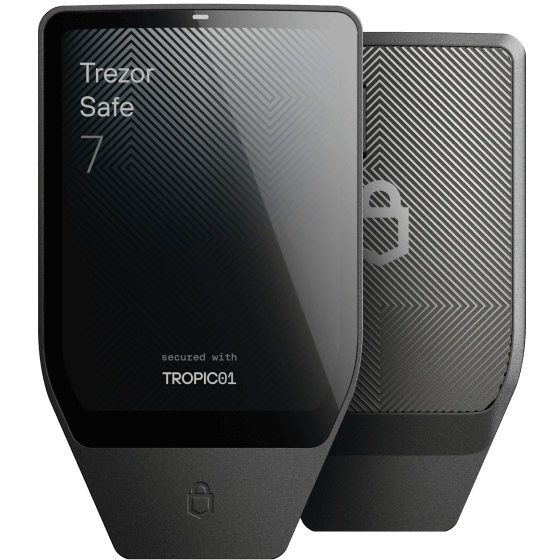
The software interface helps organize decisions, but the device protects the core credential. Trezor wallets are built for cold storage, meaning private keys are generated and held offline. The user backs up the wallet with a recovery seed, then uses the device to authorize outgoing activity.
That security model gives long-term holders a familiar routine. Receive assets to addresses controlled by the hardware wallet, manage them in the app, and confirm outgoing movement on the device. When yield access is added to that routine, the workflow remains anchored in self-custody rather than account-password custody.
Fees, network costs, and the meaning of no lockups
No lockups refers to withdrawal flexibility, not a promise that every action is free. Blockchain transactions still carry network fees, and stablecoin activity on networks such as Ethereum reflects current blockspace demand. Service providers inside wallet apps also have their own terms, spreads, or fee structures for swaps, purchases, sales, and earning routes.
A sensible reading of the feature is practical: the user is not committing USDC or USDT to a fixed waiting period inside the app's yield flow. Exiting still requires the relevant transaction to settle on-chain, and the final cost depends on the network and provider route shown at the time of action.
Getting started from a clean Trezor setup
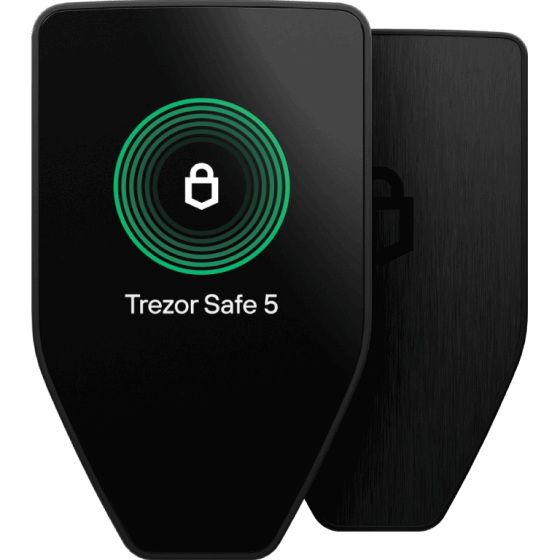
New users begin with the hardware wallet itself. After unboxing, they initialize the device, write down the recovery backup, set a PIN, and install the desktop or mobile app from the official distribution channel. The app then detects the wallet and guides account setup for supported assets.
After funding the wallet, the owner has a base for ordinary self-custody activity. Sending a small test transaction before moving a larger amount is a useful way to learn the confirmation screens, address checks, and account layout. From there, stablecoin features in the Trezor suite app feel like an extension of the same device-confirmed workflow rather than a separate product to learn from scratch.
When another wallet setup fits better
A browser extension wallet suits users who sign many DeFi transactions every day and accept the faster, more exposed workflow. A centralized exchange account suits someone who prioritizes instant trading, order books, and account-level customer support. A multisignature setup suits teams that need several approvals before funds move.
The Trezor suite app fits a different center of gravity: personal custody, hardware-backed signing, and a single interface for portfolio actions. Its stablecoin yield angle is strongest for users who already value offline key storage and want USDC or USDT earning access without moving their main wallet habits into an exchange-first environment.
Things people ask about Trezor suite app
Does the Trezor suite app charge a subscription fee for stablecoin yield access?
The app itself is used with a Trezor hardware wallet, and the yield route is shown inside the wallet interface. The costs to review are the blockchain network fee and any provider terms displayed during the earning flow. Those costs differ from a monthly software subscription, because they relate to the on-chain action and the selected service route.
Which stablecoins are supported for earning inside the Trezor suite app?
The official positioning highlights USDC and USDT for yield access. Those tickers matter because they are the stablecoins named for the feature, not a general promise that every dollar token is included. Availability also depends on the app version, region, network support, and provider route shown to the user at the time of entry.
How long does it take to withdraw from a no-lockup stablecoin position?
No lockup means the position is not tied to a fixed waiting period inside the earning product. The actual withdrawal still depends on the transaction flow, the provider route, and the blockchain network settlement time. On a busy network, fees and confirmation speed change, so the app's transaction preview is the place to check the current conditions.
What happens if my computer is infected while I use the Trezor suite app?
The hardware wallet design keeps private keys offline, so malware on a computer does not simply read the signing key from the app. The main danger becomes tricking the user into approving the wrong address or action. That is why checking transaction details on the Trezor device screen is essential before confirming any send, approval, or yield transaction.
Is the mobile version the same idea as the desktop app?
Yes, the mobile and desktop experience share the same purpose: manage crypto through an app while sensitive signing remains tied to the Trezor hardware wallet. Exact feature availability differs by platform and version, so a user should expect the same custody model rather than assuming every desktop control appears identically on a phone.
Do I need USDC or USDT before opening a yield position?
Yes, the earning flow described for the app is built around holding a supported stablecoin balance first. A user needs the relevant asset in a compatible account before entering a position. If the wallet holds only Bitcoin or another unsupported asset, the stablecoin earning option does not apply until USDC or USDT is acquired and available in the app.