Plain-English explainers
Trezor suite app is a self-custody wallet hub for offline keys and stablecoin yield
Desktop and mobile crypto wallet app for managing Trezor hardware wallets, with USDC and USDT yield while keys stay offline.
Trezor suite app is a desktop and mobile crypto wallet application for pairing a Trezor hardware wallet with a clean portfolio, send, receive, buy, swap, and stablecoin-yield workflow. It matters because the private keys remain on the hardware wallet while the app handles the interface. USDC and USDT holders get a way to put stablecoins to work without turning routine wallet management into an exchange-account workflow.
The app belongs to the Trezor hardware wallet ecosystem, so its main job is coordination rather than custody. Your computer or phone displays balances, networks, transaction details, portfolio movement, and yield options; the hardware device protects the signing keys. That split is the point. A connected app gives you usability, while the physical wallet remains the authority for approvals.
The stablecoin workflow inside Trezor Suite
The current headline feature for many users is yield on USDC and USDT from inside Trezor Suite. Stablecoins are familiar to crypto users because they track the value of the U.S. dollar, and yield products give holders a reason to keep them productive between trades or transfers. The distinctive part is the pairing with a hardware wallet, where the account interface stays convenient and signing stays tied to the device.
Trezor presents the feature as having no lockups, waiting periods, or blind signing. That combination speaks to two practical concerns: liquidity and transaction clarity. Lockups restrict movement, waiting periods slow exits, and blind signing asks a user to approve data they cannot read. A hardware wallet flow works best when the screen and app make each approval understandable before the device signs it.
How offline keys shape every send, receive, and yield action
Private keys are generated and held by the Trezor device, not by the Trezor suite app . When you prepare a transaction, the app builds the request and shows the route. The hardware wallet checks the details and signs only after physical confirmation. This makes the device the control point for moving Bitcoin, Ethereum assets, stablecoins, and other supported coins.
That architecture also changes the feel of portfolio management. Receiving funds is simple because addresses are created for your wallet accounts. Sending funds requires device confirmation because value leaves the account. Yield actions add another layer of review because the app must show what asset is involved, where it is going, and which approval the wallet is being asked to sign.
Desktop and mobile without losing the cold-storage mindset
On a practical level, Trezor Suite runs across desktop and mobile contexts, which gives the hardware wallet a practical interface beyond a tiny device screen. On desktop, it suits account setup, portfolio review, larger transfers, firmware management, and longer sessions. On mobile, it supports lighter account checks and wallet actions when a laptop is inconvenient.
The Trezor suite app works best as the daily control panel for a cold-storage setup. It brings together balances, transaction history, supported assets, and service integrations while keeping approvals anchored to the hardware wallet. The experience feels closer to operating a secure account console than juggling separate tools for every coin or token.
What the app does after a Trezor Safe device is connected
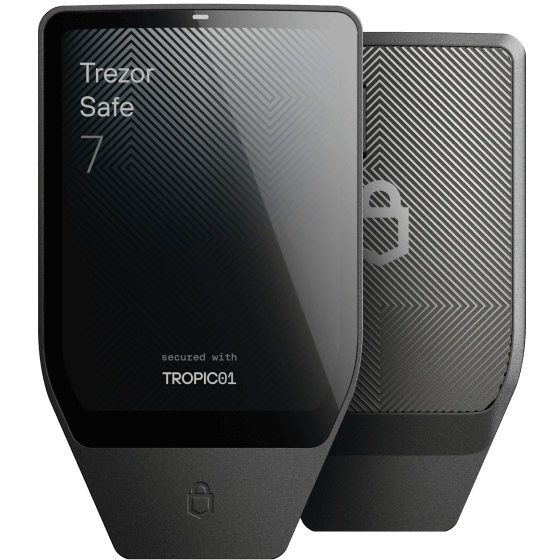
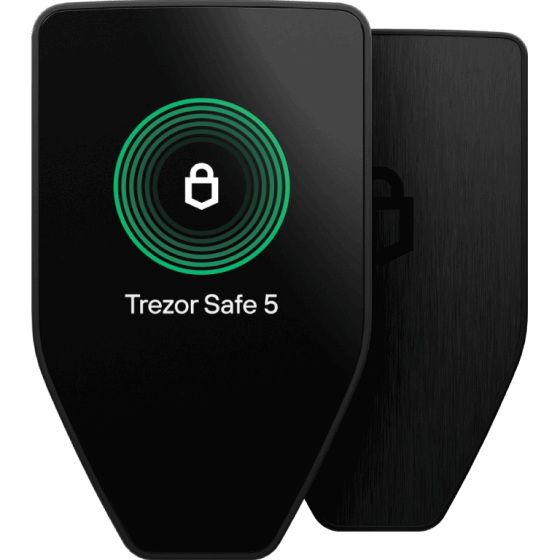
Once a Trezor Safe 7, Trezor Safe 5, Trezor Safe 3, Model T, or another supported device is connected, the app reads public account information and prepares the workspace. The device protects the seed and signs transactions. The app handles the parts that need a larger screen: account names, fiat values, address checks, fee selection, and transaction review.
A typical setup flow includes device connection, wallet creation or recovery, backup confirmation, PIN protection, passphrase decisions for hidden wallets, and asset selection. The backup deserves special attention because it restores access if the device is lost or damaged. Trezor backup formats use standard recovery words, and newer Trezor products also support more resilient backup options through the broader Trezor ecosystem.
Coins, tokens, and account types in one interface
The app supports major crypto assets through the Trezor wallet line, including Bitcoin and Ethereum-based tokens such as USDC and USDT where supported. It also fits users who hold several account types at once: a long-term Bitcoin balance, an Ethereum account for stablecoins, and smaller positions across other supported networks. That makes the Trezor suite app useful for people who want fewer wallet interfaces without giving up hardware signing.
Asset support still matters before buying a hardware wallet or moving funds. A coin has to be supported by the device, the app, or a compatible third-party wallet integration to be usable with the setup. Bitcoin and major EVM assets are straightforward for many users, while privacy coins, niche chains, and app-specific tokens deserve a compatibility check before funds move.
Fees and rates users actually notice
Transaction costs come from the networks used, not from the existence of the app itself. A Bitcoin send uses a Bitcoin miner fee. An Ethereum or stablecoin transaction uses the network fee required for that chain. Swaps, purchases, and yield products introduce their own pricing, spreads, service terms, or provider economics inside the workflow.
Yield rates on USDC and USDT move with market conditions and provider availability. The important habit is reading the asset, rate, destination, and approval details before confirming on the hardware wallet. The Trezor suite app gives the interface for that review, and the device supplies the final approval step.
Where Trezor Suite is strongest for everyday self-custody
The strongest use case is a user who wants a hardware wallet without giving up a modern app experience. Long-term holders get cold-storage discipline. Stablecoin users get USDC and USDT workflows in the same place as their portfolio. Bitcoin users get familiar receive, send, and account views. People moving away from exchange custody get a clearer line between account viewing and key control.
Several details make the setup practical:
- Hardware confirmation for outgoing transactions.
- Desktop and mobile access for portfolio visibility.
- Support for major coins and token accounts.
- Stablecoin yield access through Trezor Suite.
- Recovery through wallet backup if the device is replaced.
This is also where the open-source reputation of Trezor matters. The company has spent years building hardware wallets around transparent security design, and that history influences how users evaluate the software around the device.
Risks that deserve attention before moving funds
The biggest operational risk is mishandling recovery material. If the seed backup, passphrase, or wallet recovery process is stored carelessly, the hardware device cannot compensate for that mistake. A lost passphrase means the hidden wallet tied to it becomes unreachable, while an exposed recovery backup gives an attacker a route to the funds.
Phishing is the other serious issue. Attackers imitate wallet apps, support teams, transaction prompts, and token approvals. A strong routine uses the hardware screen as the source of truth for critical transaction details and treats unexpected prompts as hostile until the user understands them. Stablecoin yield adds another approval context, so the review step matters even more.
Ledger Live, MetaMask, and exchange apps as alternatives
Ledger Live is the closest mainstream hardware-wallet alternative because it also pairs a physical signing device with a portfolio app and service integrations. MetaMask serves a different role: it is widely used for Ethereum and EVM apps, and it also connects to hardware wallets for signing. Coinbase, Kraken, and other exchange apps give faster fiat onramps and account recovery through the platform, but they place custody and account control in a different model.
The Trezor suite app fits users who place hardware signing first and want one official interface for routine wallet work. MetaMask fits DeFi-heavy browser activity. Ledger Live fits Ledger device owners. Exchange apps fit users who prioritize trading convenience, fiat rails, and account-based access. Choosing between them starts with the key question: who holds the signing authority when funds move?
Getting started with the right expectations
Start by installing Trezor Suite, connecting the device, and completing the wallet setup on the hardware screen. Record the recovery backup offline, set a PIN, and decide whether a passphrase-based hidden wallet belongs in your setup. After that, add the assets you use, send a small test transaction, and learn how the device displays approvals before transferring larger balances.
That said, Trezor suite app then becomes the place you return to for portfolio checks, receiving addresses, sends, swaps, purchases, and stablecoin-yield actions. It is strongest when the user treats the hardware wallet as the signing authority and the app as the command center. That balance gives the experience its appeal: modern crypto management with keys kept offline on dedicated hardware.
Questions people ask about Trezor suite app
Does Trezor Suite charge a monthly fee?
Trezor Suite itself does not require a monthly subscription for ordinary wallet management. Users still pay network fees when sending crypto, and integrated services such as buying, swapping, or stablecoin yield involve provider pricing, spreads, or rate terms. The hardware wallet purchase is separate from the app experience, so the ongoing cost most users notice is the fee charged by the blockchain they use.
Which Trezor devices work with the app?
Trezor Suite is built for the Trezor hardware wallet family, including newer devices such as Trezor Safe 7, Trezor Safe 5, and Trezor Safe 3, along with supported earlier models. Exact coin support and feature availability vary by device and firmware. The app supplies the interface, while the connected hardware wallet signs transactions and protects the private keys.
Can I use USDC and USDT yield without keeping crypto on an exchange?
The stablecoin-yield feature is designed for use inside Trezor Suite while the wallet keys remain offline on the hardware device. That gives users a self-custody workflow for approving actions with their Trezor rather than relying on an exchange login as the main control point. The specific yield terms, supported assets, and provider availability determine what the user sees in the app.
Is Trezor Suite available on both phone and computer?
Yes. Trezor Suite is presented as a crypto app for mobile and desktop use, so users have a larger-screen interface for setup and management plus a mobile option for lighter access. Desktop remains the natural choice for onboarding, firmware work, and detailed account review. Mobile suits quick checks and routine wallet activity when supported by the user's device setup.
Recovering access if a Trezor device is lost or damaged?
Access is restored with the wallet backup created during setup, along with the correct passphrase if a hidden wallet was used. The replacement device does not need to be the original physical unit, but the recovery information must match the wallet. This is why the backup deserves offline storage and careful handling from the first day.
Why does the hardware screen matter when the app already shows the transaction?
The hardware screen matters because it is part of the signing device. Malware or a fake interface on a computer can mislead a user, but the Trezor device is where the final transaction confirmation happens. Reviewing the address, asset, and approval details on the device gives the user a stronger check before value leaves the wallet.