Plain-English explainers
Trezor suite app is a desktop and mobile control room for Trezor wallets, stablecoins, and offline keys
Desktop and mobile crypto wallet app for managing Trezor-held assets, with USDT yield access in Suite without blind signing.
Trezor suite app is a self-custody crypto management application that pairs with a Trezor hardware wallet to send, receive, buy, swap, track, and secure assets while private keys stay offline inside the device. Its most distinctive current angle is stablecoin yield access for USDC and USDT from inside Suite without blind signing, so a user sees the action in a familiar wallet workflow before approving it on Trezor hardware.
The app matters because hardware wallets solve only part of the crypto security problem. The device protects private keys; the companion software helps the owner understand addresses, balances, transaction details, portfolio changes, and recovery tasks. A clean interface reduces the chance of rushing through a confusing approval, especially when handling Bitcoin, Ethereum assets, stablecoins, or long-term cold storage.
Stablecoin yield inside Suite changes the normal cold-wallet workflow
USDC and USDT holders have a familiar tension: idle stablecoins feel underused, while moving funds into a custodial exchange or opaque DeFi flow adds a new trust burden. Trezor now presents stablecoin yield directly through Suite, with no lockups, no waiting periods, and no blind signing in the described flow. That combination is the feature searchers usually mean when they connect the app with USDT yield and lower signing risk.
This does not turn a hardware wallet into a passive-income machine. It makes the route clearer. The user starts from the portfolio, chooses the supported stablecoin action, reviews the information shown by Suite, and confirms only after the connected Trezor displays the relevant approval step. The important distinction is behavioral: the screen and the hardware prompt remain part of the same approval path.
How the hardware device and the app divide responsibility
The Trezor suite app runs on the computer or phone, but the private keys remain on the hardware wallet. Suite prepares transactions, displays account data, connects to supported services, and asks the device for approval. The Trezor signs only after the user confirms on the physical screen or touch interface, depending on the model.
That split is the core security model. Malware on a computer has less room to act when the final approval happens on a separate device. A fake address, a strange amount, or an unexpected transaction type still deserves attention, because self-custody rewards patience. The owner protects the recovery seed, checks the device screen, and treats unsolicited messages as hostile.
What users actually manage from the dashboard
Suite gives a Trezor owner one place for everyday wallet operations. Bitcoin remains the flagship use case, while the app also supports many crypto assets and tokens through the device ecosystem. The portfolio view groups balances, accounts, transaction history, and receive addresses so the owner is not copying data between block explorers and disconnected wallet tools.
- Receive crypto with a fresh address checked on the hardware wallet.
- Send assets after reviewing the destination, amount, and network fee.
- Track portfolio value and transaction history across connected accounts.
- Use buy, sell, swap, or supported yield routes where available.
- Run recovery and device checks from a controlled wallet environment.
The practical value is less about novelty and more about reducing scattered decisions. A single owner still makes every approval, but the Trezor suite app keeps the routine work close to the device that controls the keys.
Setting up a new Trezor without exposing the recovery seed
A new Trezor wallet setup starts with installing Suite, connecting the device, and following the on-screen onboarding. New devices require firmware installation before use, then the wallet creates a recovery seed that belongs offline. The seed is the backup for the wallet, and it should be written on paper or a metal backup rather than stored in screenshots, cloud notes, email drafts, or password managers.
Recovery checks are an important part of ownership. Suite includes a simulated recovery flow that lets a user confirm the backup words without moving funds to a second device. The recovery words are entered through the Trezor device flow, not typed into a random web page. That distinction addresses one of the most common anxieties around phishing pages that imitate wallet software.
Blind signing risk and why readable approvals matter
Blind signing means approving a transaction without seeing enough human-readable detail to understand what it does. It is dangerous because a wallet owner may think they are approving one action while authorizing a different contract call. The current stablecoin-yield message from Trezor emphasizes no blind signing, which means the approval experience is designed around visible transaction intent rather than an opaque signature request.
Readable approvals do not replace judgment. They give judgment better material. When the Trezor suite app shows the route and the hardware wallet asks for confirmation, the user has a chance to compare the asset, amount, address, and action. If a prompt looks unrelated to the action just requested, stopping is the correct move.
Desktop and mobile use without treating the phone as the vault
Suite is positioned as a powerful crypto app for mobile and desktop. The useful mental model is simple: the phone or computer is the workspace, while the Trezor hardware wallet is the signing authority. That distinction keeps the device central even when the owner checks balances, prepares a transfer, or reviews stablecoin options from a modern app interface.
Mobile access helps users monitor accounts and handle lighter wallet tasks away from a desk. Desktop still suits firmware updates, onboarding, larger transfers, and longer review sessions because there is more room to inspect details. The same rule applies in both places: the recovery seed belongs off-screen, and approval belongs on the hardware wallet.
Fees, swaps, and yield routes inside the same wallet view
Crypto costs in Suite come from the networks and service routes involved in the action. A Bitcoin send includes a miner fee. An Ethereum-token movement involves gas. A swap, purchase, sale, or yield route includes the quote terms shown before approval. Suite's role is to organize those choices and put the confirmation step next to the account that holds the funds.
That matters for USDT and USDC because stablecoins exist across different networks and contract standards. Choosing the wrong network creates unnecessary friction, while reviewing the route before signing keeps the action tied to the asset the user intended to use. Trezor suite app workflows are strongest when the owner treats each quote as a transaction to inspect, not a button to rush through.
Where Suite fits beside MetaMask, Ledger Live, and exchange apps
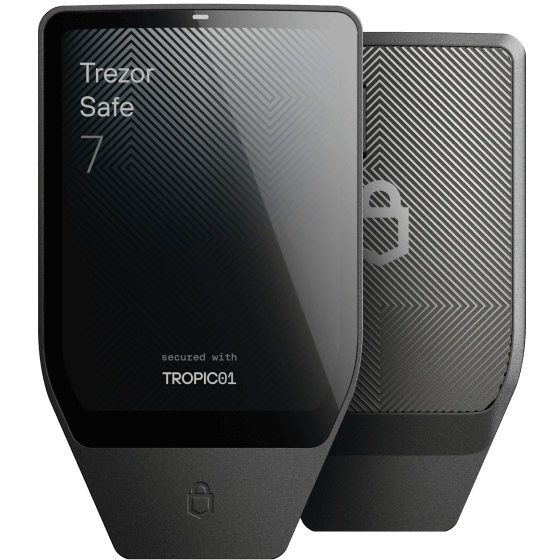
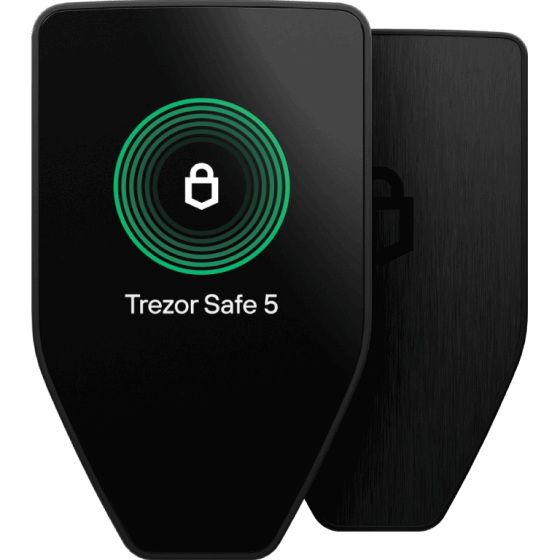
MetaMask is common for browser-based Ethereum and EVM activity, Ledger Live is the companion app for Ledger devices, and exchange apps prioritize hosted trading accounts. Suite serves a different center of gravity: it is built around Trezor hardware ownership, recovery discipline, and offline key control. That makes it more relevant for people who already use, or plan to use, Trezor Safe 3, Trezor Safe 5, Trezor Safe 7, or another supported Trezor wallet.
Users who live inside NFT mint pages and experimental DeFi apps still encounter situations where a browser wallet feels more direct. Users who want a hardware-first home for Bitcoin, stablecoins, portfolio management, and routine transfers get a more coherent experience from Suite. The choice is not about which interface has the longest feature list; it is about which approval environment matches the value being protected.
Phishing, packaging worries, and recovery habits that matter most
Most real-world wallet incidents start before the cryptography matters. A user lands on a fake download page, types a recovery phrase into a website, accepts help from a private message, or approves a transaction they did not understand. Trezor suite app reduces some of that exposure by keeping setup, recovery checks, firmware prompts, and account management inside one recognizable application.
Hardware authenticity also comes up for new buyers. Trezor devices use onboarding checks, firmware installation, and device verification steps that matter more than cosmetic shipping marks. Packaging should still look intact, but the decisive moments happen during setup: the device should behave like a new wallet, Suite should guide the firmware process, and the recovery seed should be generated for the owner alone.
The strongest habit is boring and repeatable: download the app from the real Trezor domain, keep the seed offline, confirm addresses on the hardware screen, and slow down when a prompt asks for a signature, seed phrase, or unusual permission. With those habits in place, the Trezor suite app becomes a practical daily interface for assets that are meant to stay under personal control.
Trezor suite app: questions and answers
Does the Trezor suite app cost money to use?
The app itself is free to install and use with a compatible Trezor hardware wallet. Costs come from the actions you take, such as Bitcoin miner fees, Ethereum gas, swap spreads, purchase provider fees, or route costs connected with supported yield features. The hardware wallet is a separate purchase, and the app does not remove normal blockchain transaction fees.
Recovering access if the computer with Suite is lost
Losing the computer that had Suite installed does not destroy the wallet. The crypto is controlled by the recovery seed and the Trezor device, not by that computer alone. Install Suite on a trusted replacement device, connect the hardware wallet, and restore only if the hardware wallet itself is lost, reset, or replaced.
Is the mobile app enough for full Trezor management?
Mobile access is useful for checking accounts and handling supported wallet tasks, but many owners still prefer desktop for onboarding, firmware work, larger transfers, and careful review. The hardware wallet remains the signing device either way. Treat the phone or computer as the interface, not as the place where the recovery seed belongs.
Which stablecoins are supported for yield in Trezor Suite?
Trezor's current public messaging names USDC and USDT for yield access inside Suite. The important user-facing detail is the flow: stablecoin owners review the action in the app and avoid blind signing in the described experience. Availability, rates, and exact route terms belong to the live in-app screen because yield products change faster than wallet basics.